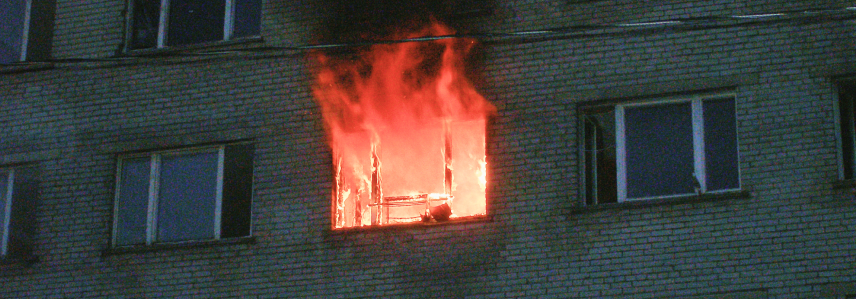
An apartment is where people sleep, raise their children, and expect to feel safe. When a fire tears through that space, residents may lose their homes, their belongings, and, in the most devastating cases, someone they love.
Not every fire is caused by improper maintenance by a landlord or property manager. Still, the way a fire starts is only part of the story. A working alarm, a clear exit, or a fire door that closes as designed can determine whether residents escape safely.
When basic protections are missing or neglected, families have a right to ask whether the harm could have been prevented. At Fieger Law, our premises liability lawyers can help people injured in Michigan apartment fires understand what happened and who may be responsible. Contact us today for a free consultation.
How Apartment Fires Become More Dangerous Than They Should Be
Some apartment fires begin with ordinary household risks, such as an unattended pan or a space heater placed too close to furniture. The National Fire Protection Association estimates that 76,500 fires were reported in apartments or other multifamily structures in 2023. Its research also shows that apartment fires are especially likely to begin in kitchens.
Residents and visitors can make mistakes, products can fail, and a neighboring unit can expose an entire building to danger. Property owners and managers are still responsible for taking reasonable steps to keep rental housing safe and to address hazards they know about or should discover through proper inspection and maintenance.
That responsibility matters because residents do not control many of the systems meant to protect them. A tenant cannot rewire a building, repair a common-area alarm panel, install a sprinkler system, or decide whether to replace a fire-rated door with an ordinary one. Those decisions belong to the people and companies that own, operate, and maintain the property.
A small fire can become catastrophic when layers of protection fail at once. An alarm may not sound. Smoke may move through an open or damaged fire door. A hallway may be blocked, poorly lit, or already filled with smoke. Firefighters may lose valuable time because an alarm system was not monitored or maintained. The legal question is whether unsafe conditions worsened the injuries or losses.
Common Fire-Safety Failures in Apartment Buildings
Investigations of serious apartment fires may uncover one hazard or a combination of problems. Common concerns include:
- Missing, disabled, expired, or poorly maintained smoke alarms
- Defective wiring, overloaded electrical systems, damaged outlets, or unrepaired electrical complaints
- Gas leaks, malfunctioning furnaces, or unsafe appliances supplied with a unit
- Blocked stairwells, locked exits, missing emergency lighting, or unclear exit routes
- Fire doors that are damaged, propped open, or unable to latch
- Sprinkler or alarm systems that were required but absent, disabled, or not properly inspected
- Combustible debris in hallways, utility areas, balconies, or other shared spaces
A code violation does not automatically prove it caused a particular injury. It can, however, help explain how a property was managed and whether a safety failure contributed to the outcome. Maintenance requests, inspection records, prior citations, resident complaints, repair invoices, and alarm-system records may all become important evidence.
Why Smoke Alarms, Fire Doors, and Sprinklers Matter
Fire protection is designed in layers. Smoke alarms warn people early. Fire doors slow the movement of smoke and flames between units, hallways, and stairwells. Sprinklers can control a growing fire while occupants escape and firefighters respond. Clear exits give residents a usable path out of the building.
NFPA research found that nearly three out of five home-fire deaths from 2018 through 2022 occurred in properties where no smoke alarm was present, or the alarms failed to operate. The organization also found that the death rate was lowest in reported home fires where a smoke alarm and an automatic extinguishing system, such as sprinklers, were both present. These figures cover homes broadly, including apartments, but they illustrate why working safety systems cannot be treated as minor maintenance items.
Apartment residents also face risks that differ from those in a single-family home. A fire may begin several units away. Smoke can enter through corridors, vents, utility openings, or damaged barriers. Residents on upper floors may depend entirely on shared stairs and exits. One person’s escape can therefore depend on safety features maintained outside that person’s unit.
Who May Be Responsible After an Apartment Fire?
Responsibility depends on how the fire began, how it spread, and which failures contributed to the injuries. A property owner, management company, maintenance contractor, alarm company, product manufacturer, utility provider, or another party may be involved. More than one party may share responsibility.
For example, an electrical fire may raise questions about old wiring, previous reports of flickering lights, and the quality of earlier repairs. A gas fire may require examination of appliances, supply lines, inspection history, and reports of unusual odors. When residents cannot escape, investigators may look closely at alarms, lighting, locks, doors, and the condition of common areas.
A careful review separates suspicion from evidence. Fire reports and code records are useful, but they may not tell the whole story. Attorneys handling a serious fire case may work with investigators, engineers, and medical professionals to determine the fire’s origin and the failures that worsened the outcome.
If you’re looking for legal help, reach out to Fieger Law for a free consultation.
What to Do After a Serious Apartment Fire
Safety and medical care come first. Burns, smoke inhalation, and other injuries may require immediate treatment, and some symptoms can develop or worsen after the initial emergency. Once immediate needs are addressed, residents can take practical steps to preserve information:
- Keep photographs and videos of the building, unit, exits, alarms, and visible damage if you can safely obtain them.
- Save emails, texts, maintenance requests, notices, and other communications about unsafe conditions.
- Write down what you saw, heard, and smelled while the memory is fresh.
- Keep medical records, receipts, temporary-housing records, and a list of damaged or lost property.
- Avoid entering a damaged building unless fire officials or other authorities say it is safe.
Families should not feel responsible for conducting their own technical investigation. Important evidence can disappear as cleanup and repairs begin. An attorney can request records, communicate with insurers and property representatives, and arrange an independent review when appropriate.
Fieger Law Can Help Your Family Seek Answers
A preventable apartment fire can leave a family facing severe burns, breathing problems, disability, displacement, grief, and unanswered questions. A legal claim cannot restore what was lost, but it may provide a clearer account of what happened and hold responsible parties accountable for unsafe conditions.
Fieger Law is an experienced Michigan premises liability law firm serving people throughout Metro Detroit and across the state. We can review the circumstances of an apartment fire, preserve available evidence, and explain the options available to injured residents and grieving families.
If you believe a landlord, property manager, contractor, or another party failed to address a fire hazard, contact Fieger Law for a free, confidential consultation. You do not pay attorney fees unless we recover compensation for you.