Losing control of your vehicle for any reason is a scary experience, especially when it’s caused by conditions beyond your control, like inclement weather.
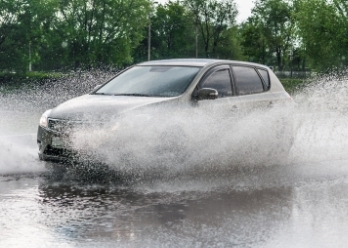
Unfortunately, partial or total loss of vehicular control is something most drivers will encounter at least once in their lives. One of the most common ways drivers lose control of their vehicles is when they skid on wet roads. That’s because water separates a vehicle’s tires from the asphalt—a phenomenon known as hydroplaning.
When vehicles begin hydroplaning, drivers often act purely on instinct to navigate the situation. But those instincts are often the exact opposite of what drivers should do when hydroplaning.
That’s why it’s important to know what you shouldn’t do when hydroplaning so you can be prepared to avoid a car accident when it happens to you.
What Causes Hydroplaning?
Hydroplaning occurs when a layer of water builds up between your vehicle’s tires and the road surface. Instead of gripping the pavement, your tires ride on top of the water’s surface, which causes you to lose traction and control of your vehicle.
Several factors increase the likelihood of hydroplaning:
- Speeding: The faster you drive on wet roads, the more difficult it becomes for your tires to push water away. Hydroplaning becomes much more likely at higher speeds, especially during heavy rain.
- Low Tire Tread Depth: Tire tread is designed to channel water away from the tire’s contact patch. Worn or bald tires cannot move water effectively, increasing the risk that your vehicle will slide across the surface.
- Standing Water: Large puddles, flooded lanes, and areas where water pools on the roadway dramatically increase hydroplaning risk. Even a small amount of standing water can cause problems if a vehicle hits it at speed.
- Dangerous Road Conditions: Poor drainage, worn pavement, and rutted roadways can allow water to accumulate. Roads that haven’t been properly maintained can create hazardous driving conditions during storms.
Understanding these factors can help drivers recognize when hydroplaning is most likely to occur and take precautions before losing control of their vehicle.
Warning Signs of Hydroplaning
Hydroplaning can happen suddenly, but there are several warning signs to be alert for that can indicate your vehicle may be losing traction on wet pavement:
- Sudden Loss of Steering Control: If the steering wheel suddenly stops responding the way you expect, your tires may no longer be gripping the road.
- Engine Revving Without Acceleration: When your tires spin on water instead of pavement, the engine may rev while the vehicle fails to accelerate normally.
- Light or Loose Steering Feel: Drivers often describe hydroplaning as a “floating” sensation, where the vehicle feels unusually light or disconnected from the road.
Recognizing and responding to these signs right away can give drivers a better chance of regaining control and avoiding a collision.
How to Prevent Hydroplaning
While hydroplaning cannot always be avoided, drivers can significantly reduce the risk by practicing safe driving habits and maintaining their vehicles properly.
- Maintain proper tire condition. Regularly check your tire tread depth and air pressure. Tires with sufficient tread are better able to disperse water and maintain contact with the road.
- Slow down in rainy conditions. Reducing your speed during wet weather gives your tires more time to move water away and maintain traction.
- Avoid using cruise control when driving in the rain. Cruise control can make it harder to respond quickly if your vehicle begins to hydroplane. Drivers should maintain direct control of acceleration in wet conditions.
- Increase your following distance. Wet roads increase stopping distances. Allowing extra space between vehicles provides more time to react if another driver suddenly loses control.
Taking these precautions can help drivers maintain better control and reduce the likelihood of a hydroplaning-related crash.
Don’t Do These Things When Hydroplaning
Hydroplaning can be a stressful and even terrifying experience. However, it’s possible to quickly regain control of your vehicle—or at least to avoid losing all control of it if it happens to you. Keep these tips in mind, and you can greatly improve your chances of avoiding a crash the next time you hydroplane:
- Don’t Slam on Your Brakes
Your first instinct is probably to slam your foot on the brake, which could make your situation even worse, especially if you’re driving a vehicle without anti-lock brakes.
Instead, you should: Take your foot off the gas and, if you must brake, apply gentle, steady pressure.
- Don’t Steer in the Opposite Direction of the Skid
Many people immediately turn their steering wheel in the opposite direction when hydroplaning to correct the angle of their vehicles. However, like slamming on the brakes, this well-intentioned attempt can cause you to lose control of your vehicle.
Instead, you should: Turn the steering wheel in the same direction you’re sliding to regain control of your vehicle.
- Don’t Accelerate Quickly
If you keep your foot on the gas or, even worse, double down on the acceleration, you could take off in the wrong direction once your wheels get traction after hydroplaning. This could lead to serious crashes with the vehicles next to or in front of you.
Instead, you should: Forget about accelerating and take your foot off the gas pedal completely until you’ve regained traction and are traveling in the right direction.
- Don’t Panic
Hydroplaning is a terrifying experience for almost every driver, and it’s natural to panic when you lose control of your vehicle. Unfortunately, this can make a dangerous situation even worse.
Instead, you should: Do your best to stay calm when you hydroplane. That might be easier said than done, but anytime it rains heavily, stay vigilant and brace for the possibility of hydroplaning. When the road is wet, plan to drive 5-10 MPH slower than you normally would, even if this means driving well below the speed limit.
Once you’ve regained control of your vehicle after hydroplaning, do your best to pull over in a safe place until you’ve calmed down. A scary experience can put you at risk of being involved in a crash, even when the immediate threat has passed.
What to Do Immediately After a Hydroplaning Accident
A hydroplaning crash can be frightening and disorienting. Taking the right steps after the accident can protect both your safety and your legal rights.
- Check for injuries. Make sure you and your passengers are safe. Call emergency services immediately if anyone is injured.
- Move to a safe location if possible. If the vehicles can be moved, pull over to a safe area away from traffic to reduce the risk of another collision.
- Document the scene. Take photos of the vehicles, road conditions, weather, and any standing water that may have contributed to the crash. Exchange information with the other driver and gather contact information from any witnesses.
- Seek medical attention. Even if injuries seem minor, it’s important to get evaluated by a medical professional. Some injuries, like concussions or soft tissue damage, may not be immediately apparent.
Can You Take Legal Action After a Hydroplaning Accident?
Yes, you may have legal options available after a hydroplaning crash. If another driver loses control of their vehicle and strikes yours, you may be entitled to pursue compensation through their insurance company for the damages you suffered.
In some situations, a driver who hydroplanes may still have legal options as well. For example, if a driver hydroplanes, regains control, and is then struck by another driver who was distracted or following too closely, the second driver may still be responsible for the crash.
Note that hydroplaning doesn’t automatically remove a driver’s responsibility for an accident. Investigators and insurance companies examine several different factors when determining fault, including:
- The speed each driver was traveling
- Whether drivers adjusted their behavior for wet conditions
- Tire condition and vehicle maintenance
- Following distance and braking behavior
- Road and weather conditions at the time of the crash
In many cases, a driver may still be considered negligent if they were driving too fast for conditions, had unsafe tires, or failed to maintain control of their vehicle in heavy rain.
Personal injury claims involving car accidents ultimately come down to negligence. If another driver’s careless actions contributed to your crash—even in bad weather—you should explore your right to pursue compensation for medical expenses, lost income, vehicle damage, and other losses.
Need Legal Help? Contact Fieger Law
At Fieger Law, our Detroit car accident lawyers have years of experience holding negligent drivers responsible for the harm they’ve caused our clients. We make sure to fight for maximum compensation, and our track record proves it.
If you’d like to speak to our team at no cost, contact us today to schedule your free, no-obligation consultation.