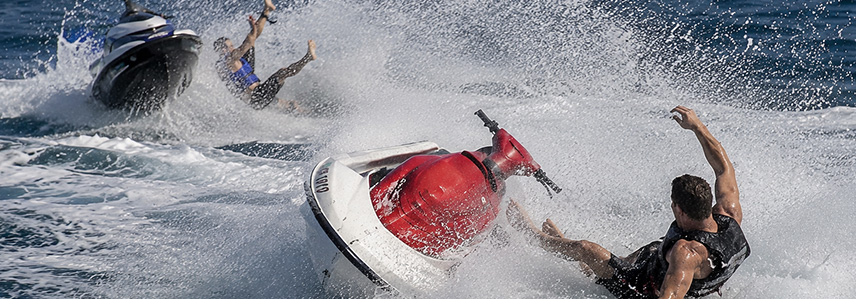
Jet skis can be a fun way to enjoy the water, but they can also be dangerous when other boaters and watercraft operators fail to follow navigation rules or operate safely.
A jet ski collision on the water can leave victims facing serious injuries, expensive medical bills, and a lengthy recovery. Understanding how these accidents happen and what to do afterward can help protect both your health and your legal rights to compensation.
At Fieger Law, our boat accident lawyers understand both the special place that days on the water hold in the hearts of Michigan residents, and the seriousness of protecting yourself against aggressive or dismissive insurance companies after a serious accident.
Why Jet Ski Safety Matters
Michigan has more than one million registered boats and millions of residents enjoying the state’s waterways each year. With so many vessels sharing the water during peak boating season, the risk of accidents increases.
The U.S. Coast Guard reported 3,887 recreational boating accidents in 2024, resulting in 2,170 injuries and 556 deaths. Personal watercraft, including jet skis, accounted for hundreds of those incidents.
Jet skis are smaller, faster, and more maneuverable than many other watercraft. While those features make them exciting to ride, they can also leave riders vulnerable when other watercraft operators fail to maintain a proper lookout, disregard navigation rules, or travel at unsafe speeds.
Unlike occupants of larger boats, jet ski riders have very little protection in a crash. Even a relatively low-speed impact with another vessel can result in serious injuries.
Have questions about a boating or jet ski injury? Fieger Law can help. Call today for a free case review.
What You Should Know Before You Get on the Water
A few simple precautions can help make your time on the water safer:
- Wear a S. Coast Guard-approved life jacket at all times.
- Memorize basic navigation and right-of-way rules.
- Stay alert for boats, swimmers, docks, and other obstacles.
- Understand local speed restrictions and no-wake zones.
- Make sure passengers know how to hold on securely and prepare for sudden turns or stops.
Michigan law requires many personal watercraft operators to obtain a boating safety certificate and imposes age-based restrictions on who may operate a jet ski or other personal watercraft. Riders must also comply with navigation rules, life jacket requirements, and other boating safety laws to reduce collisions and injuries on the water.
Even when you take every precaution, another person’s negligence can put you at risk.
If someone else’s careless actions caused your injuries, contact Fieger Law for a free consultation.
How Common Are Jet Ski Accidents?
With thousands of lakes and miles of waterways across Michigan, crowded conditions during peak boating season can increase the risk of collisions involving jet skis and other personal watercraft.
U.S. Coast Guard data shows that personal watercraft accounted for 19% of reported boating incidents in 2024, making them among the most frequently involved vessel types in recreational boating accidents.
Many of these incidents involve collisions with other vessels, often resulting in serious injuries for the jet ski riders and passengers. These accidents can raise important questions about liability, particularly when another boater’s negligence contributed to the crash.
If you were hurt in a jet ski or boating accident, Fieger Law can help you understand your rights during a free case evaluation.
Common Jet Ski Injuries
Collisions involving jet skis can generate significant force, increasing the risk of severe injuries for riders and passengers.
- Traumatic brain injuries and concussions can occur when riders are thrown from the watercraft or strike another vessel, dock, or the water.
- Neck and spinal cord injuries may occur when riders experience violent impacts, sudden stops, or are thrown from the watercraft.
- Broken bones and fractures, particularly in the arms, legs, ribs, and collarbone, can occur during collisions or ejections.
- Deep cuts and lacerations may result from contact with watercraft components, propellers, or debris in the water.
- Internal injuries and organ damage are common in high-speed crashes.
- Drowning and near-drowning injuries can lead to oxygen deprivation, long-term neurological complications, and other serious health consequences.
Some injuries may not be immediately obvious after an accident. Symptoms of head injuries, internal bleeding, and other serious conditions can take hours or even days to appear.
If you were injured on the water, seek medical attention immediately and contact Fieger Law to discuss your legal options.
What Causes Most Jet Ski Accidents?
Many crashes occur when another person or party (such as a jet ski manufacturer) fails to act responsibly. Understanding the most common causes of jet ski accidents can help injured riders and passengers identify who may be liable for their injuries.
| Common Cause | How It Happens |
| Collisions With Boats and Other Watercraft | Operators fail to maintain a proper lookout, violate navigation rules, travel at unsafe speeds, or make sudden maneuvers in crowded waterways. |
| Unsafe Boating Practices | Speeding, distraction, failure to follow safety rules, and other dangerous conduct can contribute to accidents. |
| Defective Equipment | Mechanical failures involving steering systems, throttles, engines, or other critical components may contribute to a crash. |
If you were injured in a jet ski accident caused by someone else’s negligence, Fieger Law can investigate the crash, identify liable parties, and fight for the compensation you deserve. Contact us today for a free consultation.
What to Do After a Jet Ski Accident
The steps you take after an accident can affect your health, recovery, and ability to pursue compensation.
- Seek medical attention immediately.
- Report the accident to the appropriate authorities.
- Gather photographs, witness information, and other evidence if you can do so safely.
- Keep records of medical treatment and expenses.
- Avoid discussing fault or giving recorded statements before speaking with an attorney.
Jet ski accidents can involve multiple parties, conflicting accounts, and complex liability issues. An experienced attorney can help secure evidence, investigate the cause of the accident, and build a strong claim on your behalf.
If you or a loved one was injured in a jet ski accident, contact Fieger Law today for a free, no-obligation consultation.
Why Choose Fieger Law?
Whether your injuries were caused by a negligent watercraft operator, a collision with another vessel, or defective equipment, the boat accident lawyers at Fieger Law can investigate what happened, identify every responsible party, and fight for the compensation you deserve.
For more than 70 years, Fieger Law has fought for injury victims and secured some of the largest verdicts in Michigan history. If you were injured in a jet ski accident caused by someone else’s negligence, contact Fieger Law today for a free case review to learn how we can help you pursue compensation and accountability.